

 Call Me Free

 Send Inquiry
Rozel 60Mg Injection
Price 5998.0 INR/ Parcel
MOQ : 1 Piece
Rozel 60Mg Injection Specification
- Salt Composition
- Denosumab 60mg
- Indication
- Treatment of osteoporosis, bone loss, and certain bone cancers
- Dosage Form
- Injection
- Feature
- Ready-to-use, single-use prefilled syringe
- Ingredients
- Denosumab
- Application
- Administered by subcutaneous injection for bone-related conditions
- Ph Level
- Neutral pH (approximately 6.0) in formulation
- Temperature Needed For Fermentation
- rankine Rankine
- Physical Color/Texture
- Other
- Fermentation Smell
- Normal Smell
- Storage Instructions
- Store in a refrigerator (2C to 8C). Do not freeze. Protect from light.
- Shelf Life
- 24 months from manufacture
- Molecular Weight
- 147 kDa (Denosumab)
- Packing Size
- Prefilled syringe of 1 ml
- Container Type
- Prefilled syringe
- ATC Code
- M05BX04
- Contraindications
- Hypocalcemia, hypersensitivity to product
- Brand Name
- Rozel 60 mg
- Common Side Effects
- Musculoskeletal pain, hypercholesterolemia, injection site reaction, hypocalcemia
- Frequency of Administration
- Once every 6 months
- Route of Administration
- Subcutaneous
- Prescription Status
- Prescription only
Rozel 60Mg Injection Trade Information
- Minimum Order Quantity
- 1 Piece
- Delivery Time
- 24 Hours
Rozel 60Mg Injection About
-
Rozel 60mg Injection is a high-quality anticancer medication widely used in the treatment of various solid tumors. It contains Denosumab 60 mg, a monoclonal antibody that works by inhibiting bone resorption and reducing skeletal-related events in patients with cancer involving the bones. It is administered under the supervision of a qualified healthcare professional.
Key Benefits-
Helps prevent bone complications in cancer patients
-
Reduces risk of fractures and bone pain
-
Improves bone strength by inhibiting osteoclast activity
-
Proven efficacy in oncology-related bone disorders
-
Active Ingredient: Denosumab 60 mg
-
Dosage Form: Injection
-
Bone metastasis associated with solid tumors
-
Prevention of skeletal-related events in cancer patients
-
Management of cancer-induced bone loss
-
For subcutaneous injection only
-
To be administered by a medical professional as prescribed
-
Store at 2C to 8C (Refrigerated)
-
Do not freeze
-
Protect from light
-
Prescription drug; use only under medical supervision
-
Not recommended during pregnancy unless advised by a physician
-
Regular monitoring of calcium levels is recommended
-
Single-use vial / prefilled syringe (as available)
-
How Rozel 60mg Injection Works
Rozel 60mg Injection operates by inhibiting a protein, RANKL, involved in bone breakdown. By blocking this protein, the medication helps slow bone loss, increase bone density, and reduce the risk of fractures. The effect is particularly beneficial for individuals suffering from osteoporosis, bone loss due to cancer therapies, or certain bone metastases. The once-every-six-months dosing offers an extended protective effect against bone weakening.
Administration and Usage Recommendations
Rozel 60mg is administered as a single subcutaneous injection, usually by a healthcare professional. The formulation comes in a prefilled, sterile syringe that is single-use only. Patients should not self-administer unless specifically trained. It is crucial to ensure calcium and vitamin D levels are adequate prior to receiving the injection to minimize the risk of hypocalcemia.
Storage and Handling Instructions
Rozel 60mg Injection must be stored in a refrigerator at 2C to 8C. It should not be frozen and must be kept protected from light. If it is inadvertently frozen, the syringe should not be used. Proper storage assures the stability and effectiveness of the medication throughout its 24-month shelf life.
FAQ's of Rozel 60Mg Injection:
Q: How should Rozel 60mg Injection be stored and handled?
A: Rozel 60mg Injection should be stored in a refrigerator between 2C and 8C. Do not freeze the injection, and keep it protected from light. Upon removal from the refrigerator, it should be brought to room temperature before use, and any unused syringe must be discarded.Q: What is the recommended process for administering Rozel 60mg Injection?
A: Rozel 60mg should be administered as a single subcutaneous injection once every six months, ideally by a healthcare professional. The prefilled syringe is ready-to-use and intended for single use only. Patients should not attempt self-injection unless appropriately trained.Q: When is Rozel 60mg Injection typically prescribed?
A: Rozel 60mg Injection is prescribed for the treatment of osteoporosis in adults at increased risk for fractures, bone loss due to certain cancer treatments, and in some cases of bone metastases from solid tumors. It must be prescribed by a qualified healthcare provider.Q: What precautions should be taken before using Rozel 60mg Injection?
A: Before receiving Rozel 60mg, ensure your calcium and vitamin D levels are within the recommended range to reduce the risk of hypocalcemia. It must not be used if you have hypocalcemia or known hypersensitivity to Denosumab or any ingredient in the product.Q: What are the possible side effects associated with Rozel 60mg Injection?
A: The most common side effects include musculoskeletal pain, hypercholesterolemia, injection site reactions, and hypocalcemia. Patients should contact their healthcare provider if they experience symptoms of low calcium levels, such as muscle cramps or tingling.Q: How does Rozel 60mg Injection benefit patients with osteoporosis?
A: Rozel 60mg Injection strengthens bones by reducing bone resorption, leading to increased bone density and a decreased risk of fractures. The convenience of a once every six months schedule improves patient adherence and overall treatment outcomes.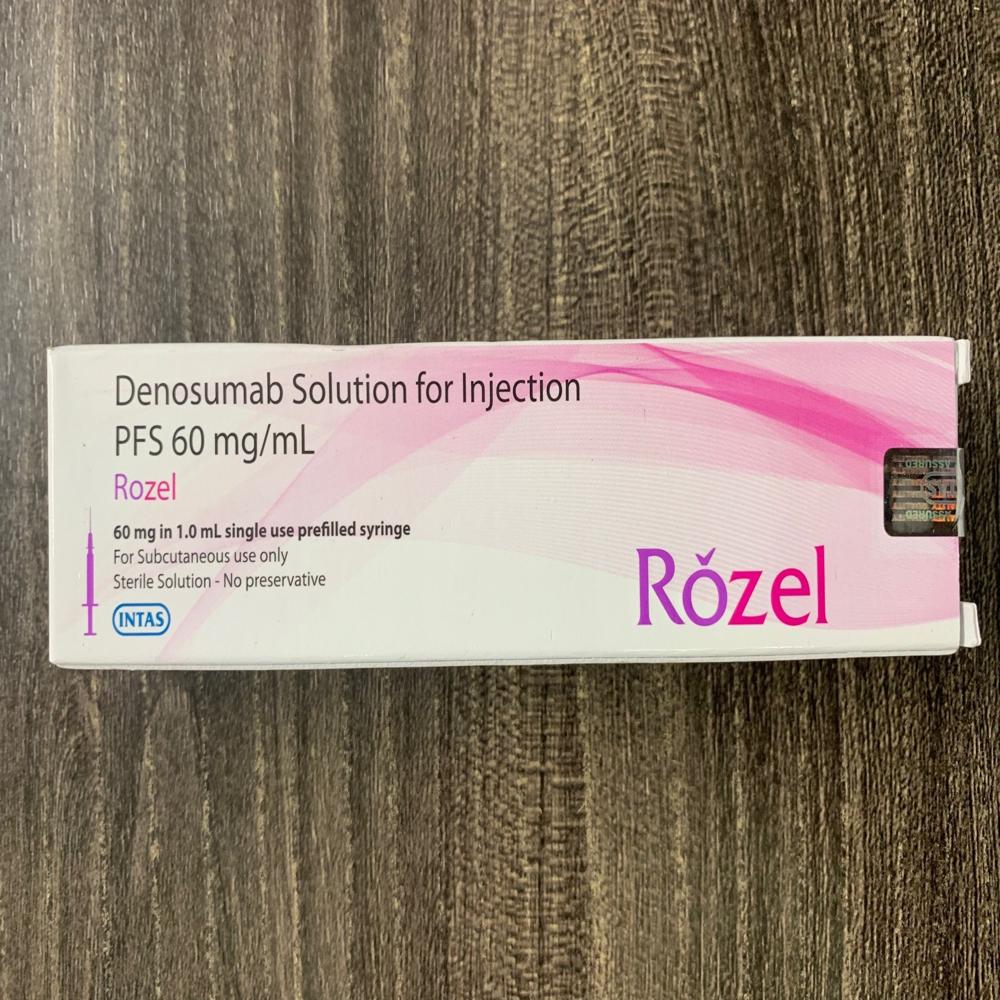
Tell us about your requirement

Price:
Quantity
Select Unit
- 50
- 100
- 200
- 250
- 500
- 1000+
Additional detail
Mobile number
Email

More Products in Anti Cancer Medicines Category
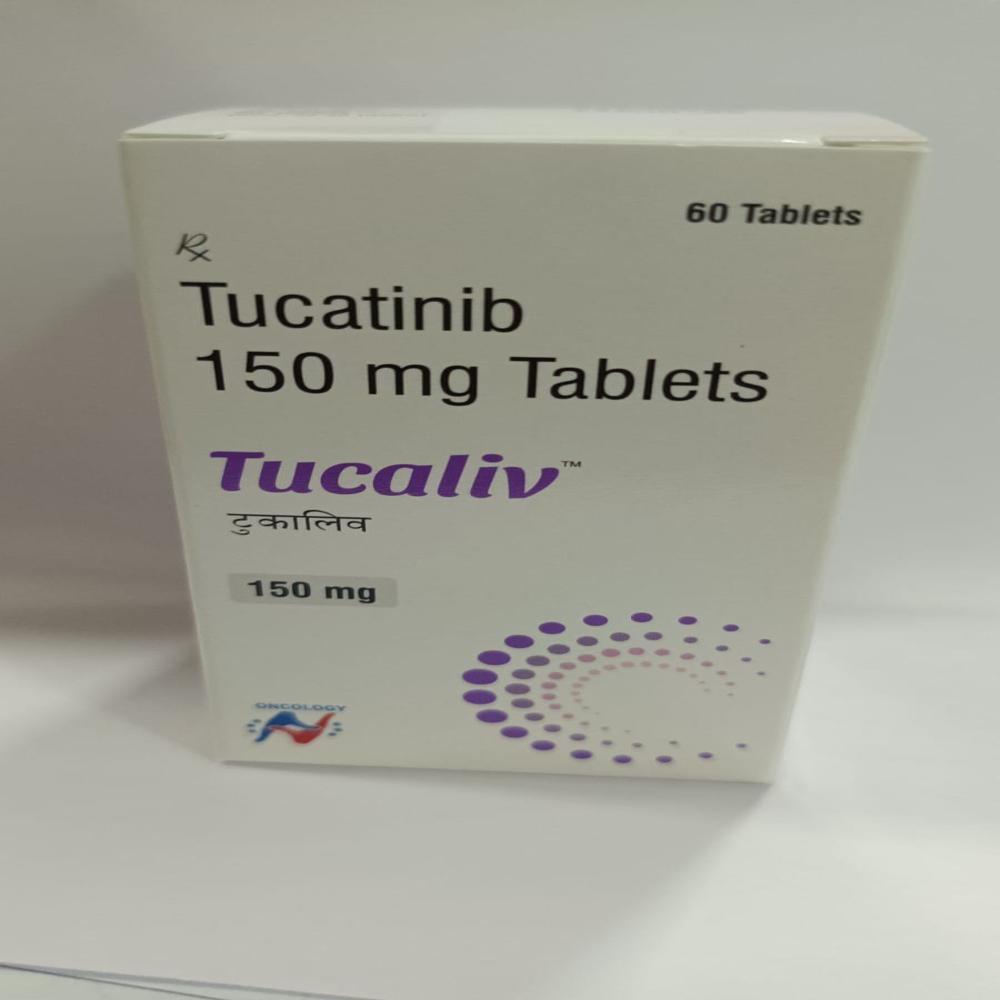
Tucatinib 150 Mg Tablet Tucaliv
Price 23500.0 INR / Piece
Minimum Order Quantity : 1 Piece
Temperature Needed For Fermentation : 28 Celsius (oC)
Shelf Life : 24 Hours
Physical Color/Texture : Other , Yellow, filmcoated tablets
Fermentation Smell : Normal Smell
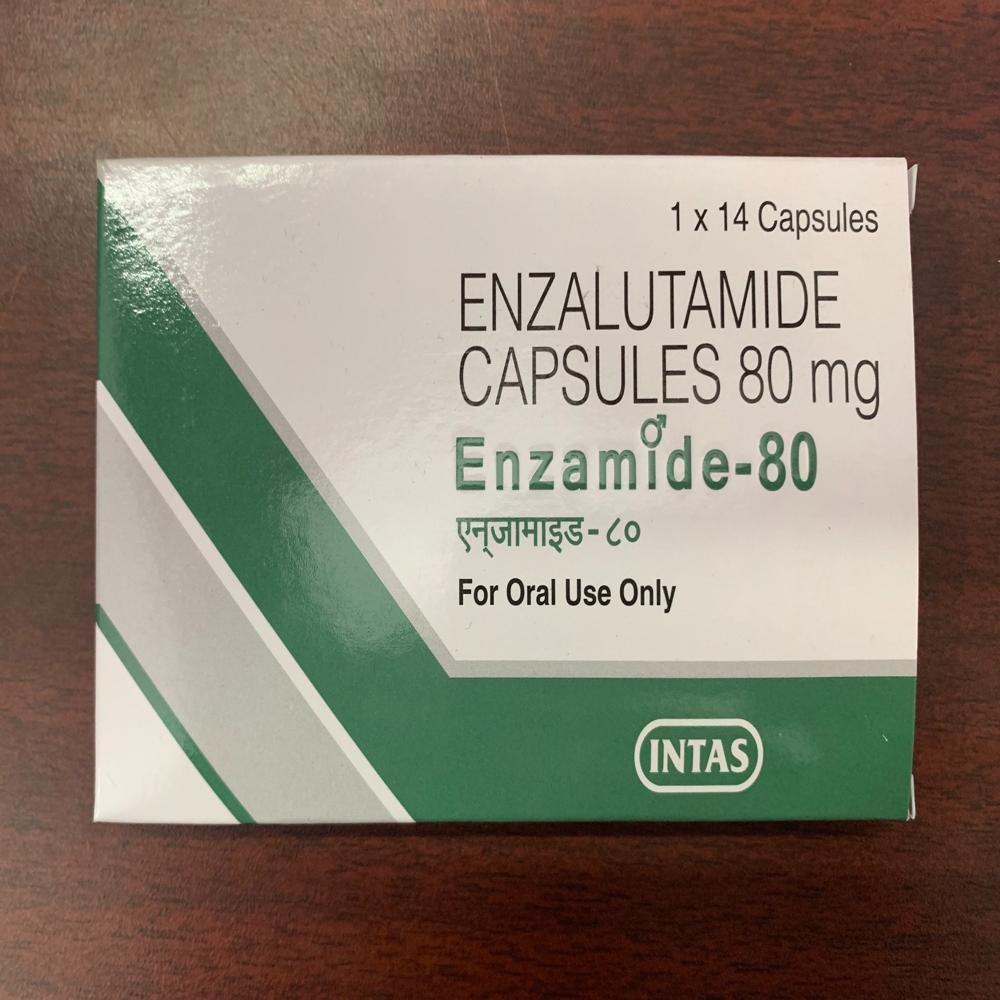
Enzamide 80 Mg Capsules
Price 2800.0 INR / Strip
Minimum Order Quantity : 5 Strips
Temperature Needed For Fermentation : rankine Rankine
Shelf Life : 24 Hours
Physical Color/Texture : Yellowish Powder
Fermentation Smell : Other, Odorless
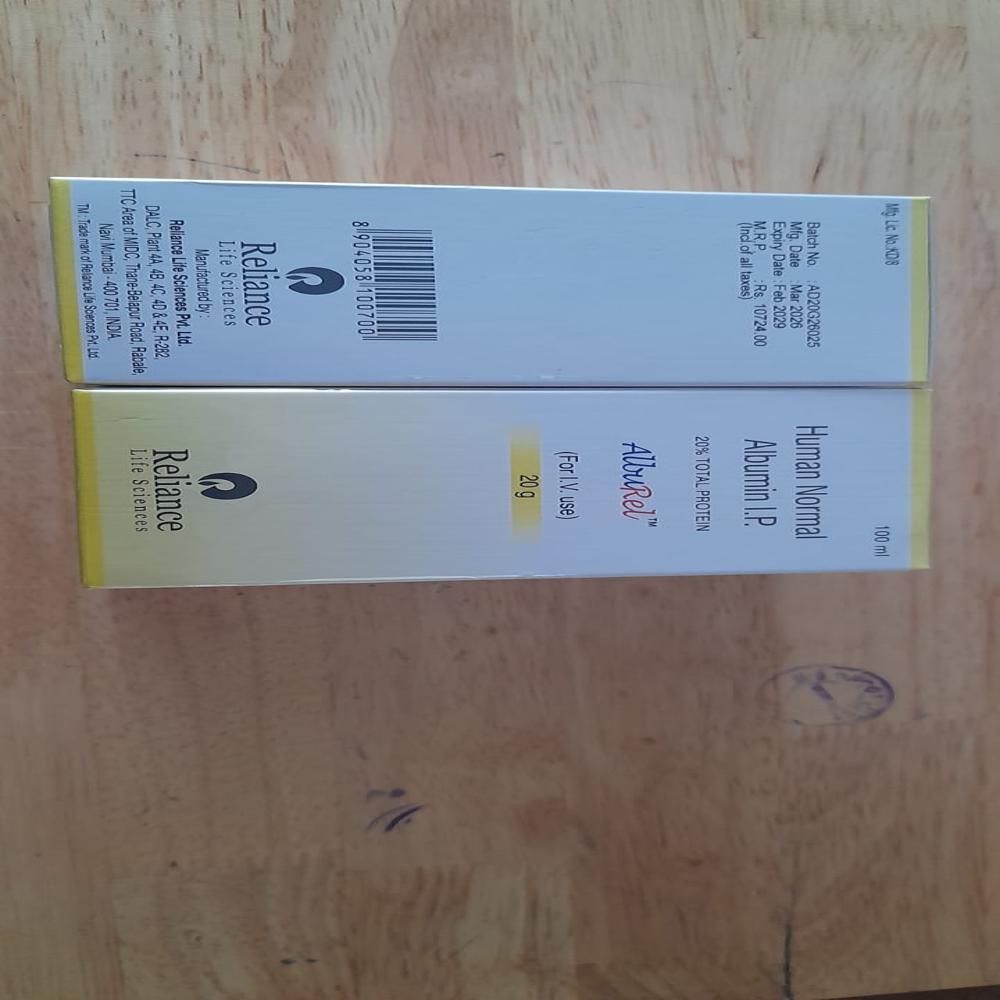
Alburel 20 100ml inj
Price 4500.0 INR / Bottle
Minimum Order Quantity : 10 Bottles
Temperature Needed For Fermentation : 28 Planck temperature ()
Shelf Life : 24 Hours
Physical Color/Texture : Yellowish Powder
Fermentation Smell : Normal Smell
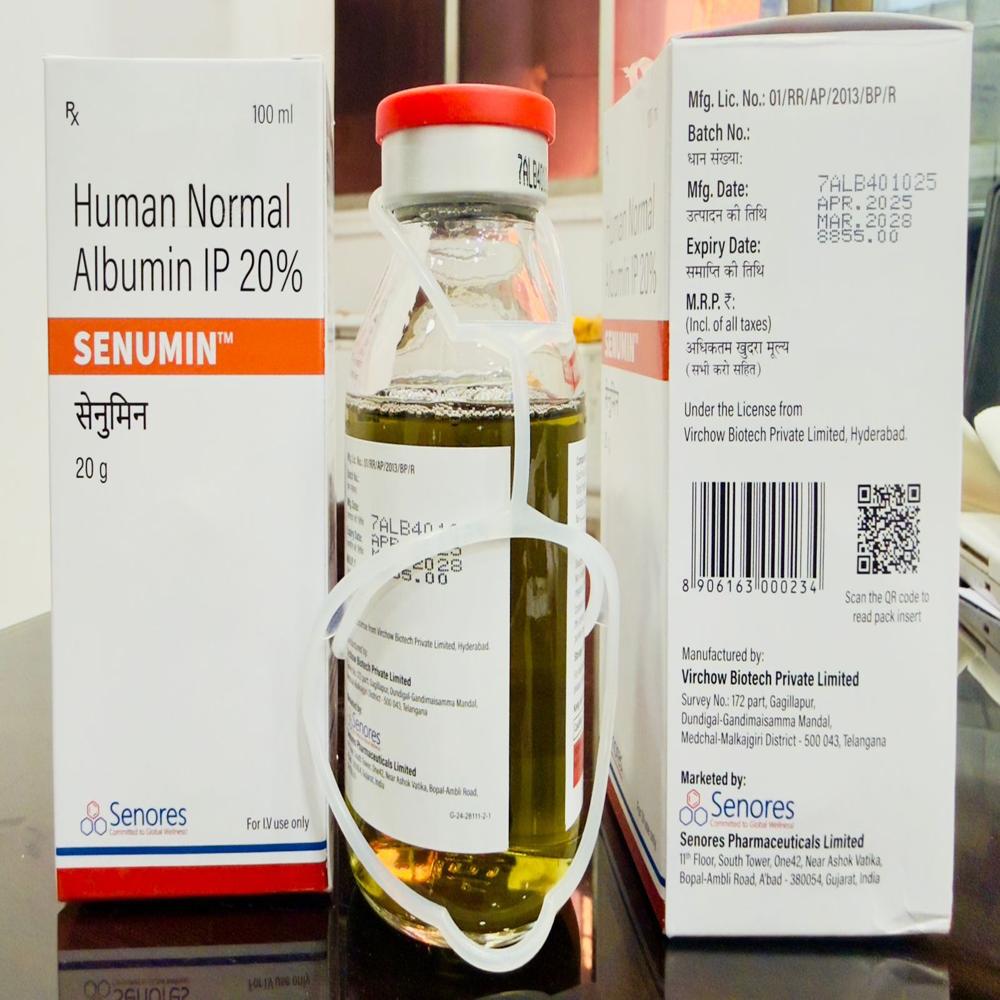
SENUMIN 20G 100ML
Price 3850.0 INR / Piece
Minimum Order Quantity : 1 Piece
Temperature Needed For Fermentation : 2C TO 8C Celsius (oC)
Shelf Life : 24 Hours
Physical Color/Texture : Other
Fermentation Smell : Normal Smell

ONCOTRUST
GST : 27AAJFO6315K1ZY
Contact Details

- Unit No. 510, Ghatkopar Andheri Link Road,Mumbai - 400086, Maharashtra, India
- Phone :07315122721

- Mr. Amit (Co-Founder)
- Mobile :07315122721

 Send Inquiry
 Send SMS
ONCOTRUST
All Rights Reserved.(Terms of Use)
Developed and Managed by Infocom Network Private Limited.
Developed and Managed by Infocom Network Private Limited.

