

 Call Me Free

 Send Inquiry
Bevacirel Bevacizumab Injection
Price 12800.0 INR/ Piece
MOQ : 1 Piece
Bevacirel Bevacizumab Injection Specification
- Salt Composition
- Bevacizumab
- Indication
- Cancer treatment (including metastatic colorectal cancer, non-small cell lung cancer, glioblastoma, ovarian and cervical cancer, renal cell carcinoma, among others)
- Dosage Form
- Injection
- Feature
- Sterile, preservative-free, single-use vial
- Ingredients
- Bevacizumab, excipients, sterile water for injection
- Application
- Intravenous administration in oncology
- Temperature Needed For Fermentation
- 28 Celsius (oC)
- Physical Color/Texture
- Clear to slightly opalescent, colorless to pale brownish-yellow solution
- Fermentation Smell
- Odorless
- Storage Instructions
- Store at 2C to 8C (Refrigerate). Do not freeze or shake. Protect from light.
- Shelf Life
- 24 months
- Prescription/Non-Prescription
- Prescription
- Molecular Formula
- C6638H10160N1720O2108S44
- Regulatory Status
- Approved for medical use
- Strength
- 400 mg/16 ml
- Class
- Monoclonal antibody (anti-VEGF)
- Packaging Type
- Vial
- Marketed By
- Reliance Life Sciences Pvt. Ltd.
- Route of Administration
- Intravenous
- Manufactured By
- Reliance Life Sciences
Bevacirel Bevacizumab Injection Trade Information
- Minimum Order Quantity
- 1 Piece
- Delivery Time
- 24 Hours
About Bevacirel Bevacizumab Injection
Description:
Bevacirel (Bevacizumab) Injection is a recombinant humanized monoclonal antibody designed to inhibit vascular endothelial growth factor (VEGF), thereby preventing the formation of new blood vessels that supply tumors. It is primarily used as an anti-cancer therapy in the treatment of various malignancies, including colorectal cancer, lung cancer, renal cell carcinoma, glioblastoma, and cervical cancer.
Key Features:
-
Targets VEGF to slow tumor growth
-
Administered intravenously under medical supervision
-
Suitable for combination therapy with chemotherapy or as monotherapy in specific cancers
-
Helps improve patient survival and manage tumor progression
Indications:
-
Metastatic colorectal cancer
-
Non-small cell lung cancer (NSCLC)
-
Renal cell carcinoma
-
Glioblastoma
-
Cervical cancer
Dosage & Administration:
Bevacirel Injection should be administered as per the oncologists prescription. Dose varies depending on the type of cancer, patient condition, and combination with other therapies.
Packaging:
Available in 100 mg/4 mL vials for intravenous infusion.
Storage:
Store at 28C. Protect from light. Do not freeze.
Safety Information:
Use under strict medical supervision. May cause side effects including hypertension, bleeding, proteinuria, delayed wound healing, and gastrointestinal perforation.
Targeted Cancer Therapy with Reliable Efficacy
Bevacirel Bevacizumab Injection works by inhibiting vascular endothelial growth factor (VEGF), a key protein that promotes tumor blood vessel formation. By blocking VEGF, this monoclonal antibody helps restrict the blood supply essential for tumor growth, thereby impeding cancer progression. Its targeted mechanism has demonstrated benefits across several advanced and metastatic cancers, supporting improved patient outcomes.
Safe Handling, Storage, and Administration
Bevacirel is supplied as a single-use, sterile, preservative-free vial for intravenous infusion. Store it between 2C and 8C in a refrigerator, avoiding freezing and light exposure. It has no characteristic odor and appears as a clear to slightly opalescent, colorless to pale brownish-yellow solution. This injectable should only be administered in authorized medical settings by trained professionals.
FAQ's of Bevacirel Bevacizumab Injection:
Q: How is Bevacirel Bevacizumab Injection administered?
A: Bevacirel is administered intravenously by a healthcare professional in a clinical setting. The dosage and infusion schedule depend on your specific cancer diagnosis and medical protocol recommended by your doctor.Q: What types of cancer can Bevacirel Bevacizumab Injection treat?
A: This injection is approved for use in several types of cancer, including metastatic colorectal cancer, non-small cell lung cancer, glioblastoma, ovarian and cervical cancer, and renal cell carcinoma, among others.Q: When and how should Bevacirel be stored to maintain potency?
A: Bevacirel should be kept refrigerated at 2C to 8C. Do not freeze or shake the vial, and always protect it from direct light to preserve its effectiveness throughout its 24-month shelf life.Q: Where can I obtain Bevacirel Bevacizumab Injection?
A: Bevacirel is a prescription-only medication available through authorized hospitals, cancer treatment centers, or pharmacies. It is supplied and distributed by Reliance Life Sciences across India and select global markets.Q: What benefits does Bevacirel offer in cancer therapy?
A: By inhibiting VEGF, Bevacirel helps reduce blood supply to tumors, potentially slowing or stopping cancer progression. This targeted approach often enhances treatment outcomes when used alongside chemotherapy or other therapies.Q: What is the preparation process before administering Bevacirel?
A: Before administration, Bevacirel should be visually inspected for clarity and particulate matter. Only trained healthcare professionals can prepare and infuse the injection, ensuring safety and accuracy in dosage.Q: Is Bevacirel injection suitable for repeated use?
A: Bevacirel is supplied in single-use vials and is preservative-free. Each vial should be used for only one dose and any remaining solution must be discarded, adhering to recommended medical guidelines.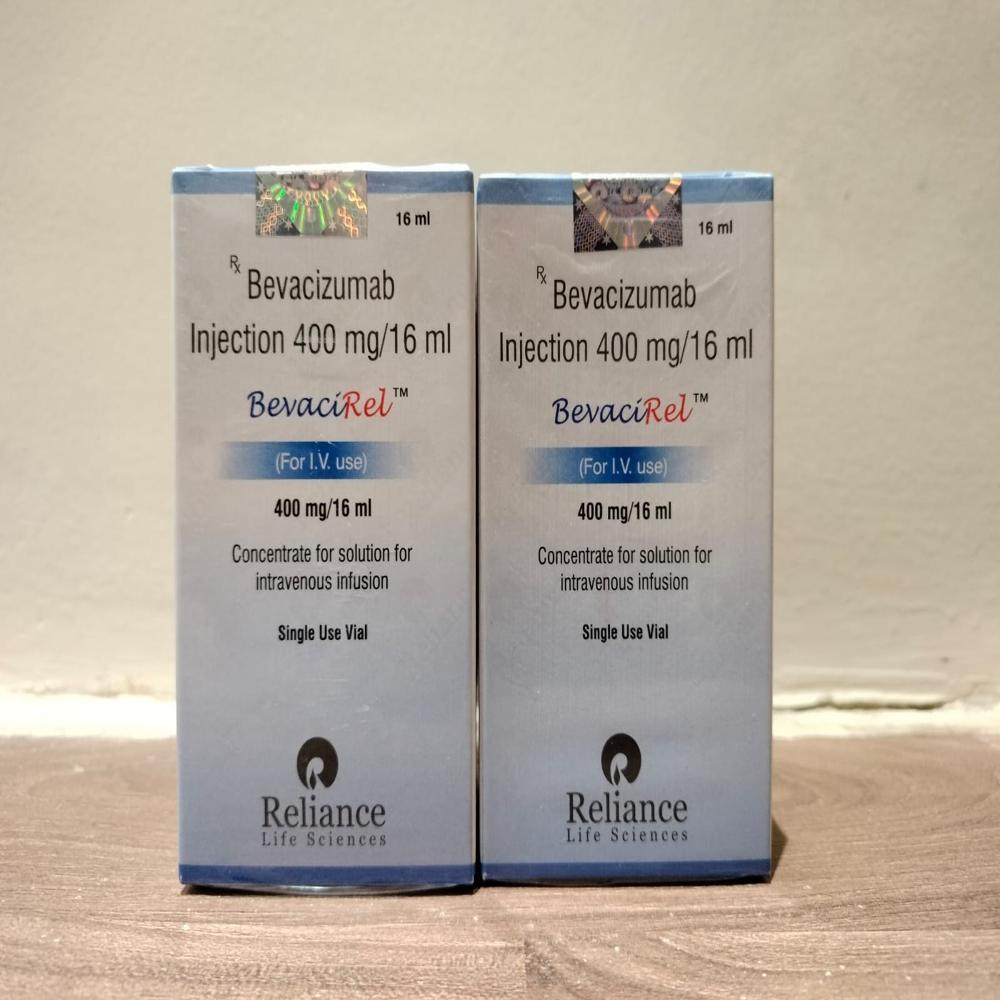
Tell us about your requirement

Price:
Quantity
Select Unit
- 50
- 100
- 200
- 250
- 500
- 1000+
Additional detail
Mobile number
Email

More Products in Anti Cancer Medicines Category
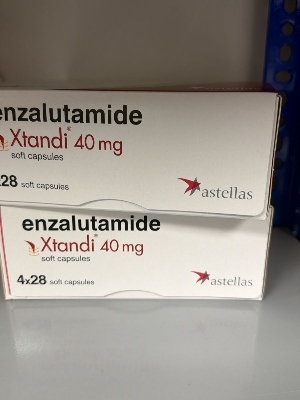
Xtandi 40mg tablet
Price 180000 INR / Tablet
Minimum Order Quantity : 1 Tablet
Shelf Life : 12M+
Origin : INDIA
Fermentation Smell : Slight Smell
Temperature Needed For Fermentation : 25
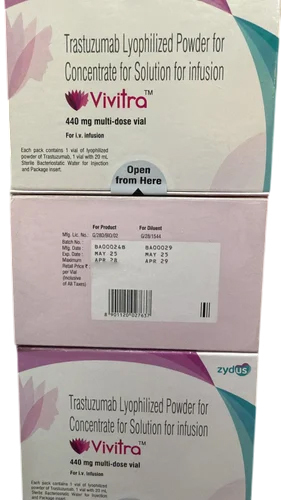
Trastuzumab Lyophilized Powder
Price 6500 INR / Piece
Minimum Order Quantity : 10 Pieces
Shelf Life : 24 Months
Origin : India
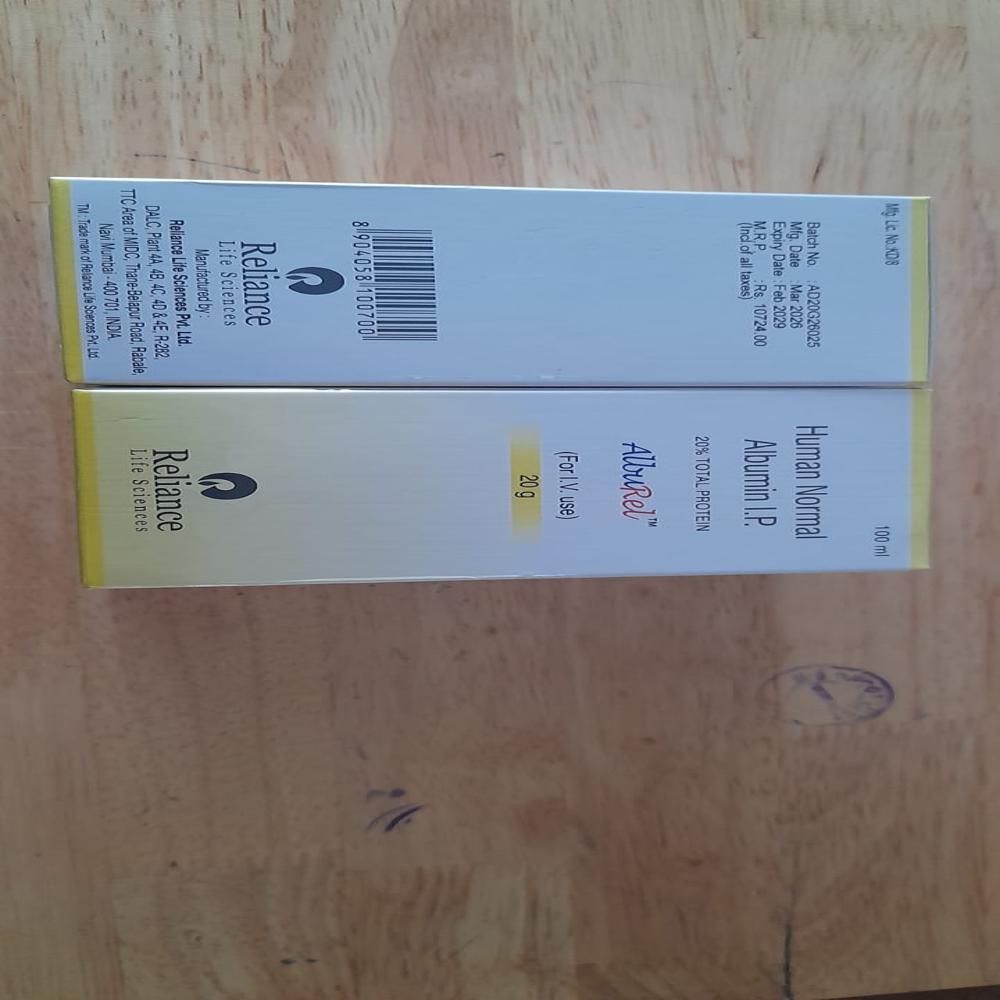
Alburel 20 100ml inj
Price 4500.0 INR / Bottle
Minimum Order Quantity : 10 Bottles
Shelf Life : 24 Hours
Origin : indian
Fermentation Smell : Normal Smell
Temperature Needed For Fermentation : 28 Planck temperature ()
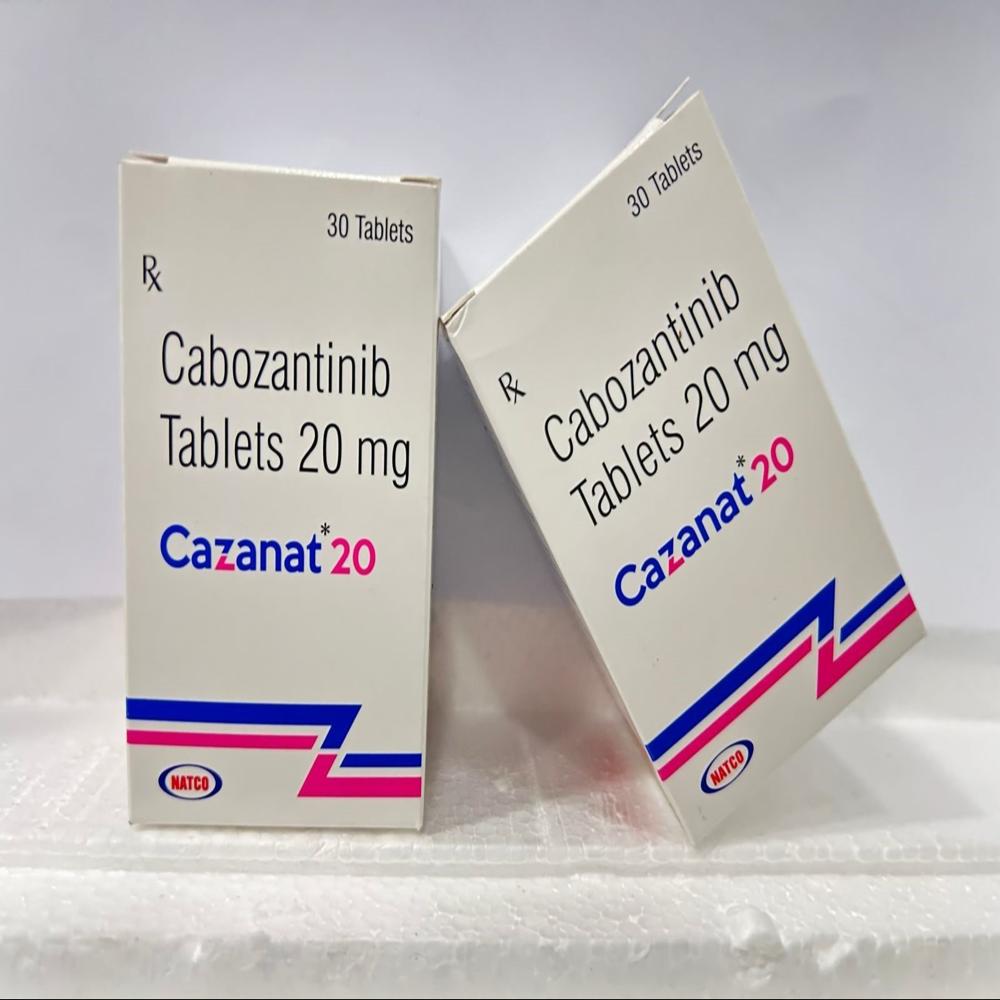
Cazanat 20mg tab
Price 3000.0 INR / Piece
Minimum Order Quantity : 1 Piece
Shelf Life : 24 Hours
Origin : indian
Fermentation Smell : Normal Smell
Temperature Needed For Fermentation : 2c to 8c Celsius (oC)

ONCOTRUST
GST : 27AAJFO6315K1ZY
Contact Details

- Unit No. 510, Ghatkopar Andheri Link Road,Mumbai - 400086, Maharashtra, India
- Phone :07315122721

- Mr. Amit (Co-Founder)
- Mobile :07315122721

 Send Inquiry
 Send SMS
ONCOTRUST
All Rights Reserved.(Terms of Use)
Developed and Managed by Infocom Network Private Limited.
Developed and Managed by Infocom Network Private Limited.

