

 Call Me Free

 Send Inquiry
Actilyse Alteplase Injection
Price 40000.0 INR/ Piece
MOQ : 1 Piece
Actilyse Alteplase Injection Specification
- Brand Name
- Actilyse
- Drug Type
- Injection
- Ingredients
- Actilyse Injection contains Alteplase, a recombinant tissue plasminogen activator (rt-PA) used as a thrombolytic (clot-dissolving) agent. It is widely prescribed in emergency and critical care settings for the treatment of acute ischemic stroke, acute myocardial infarction (heart attack), and massive pulmonary embolism by rapidly dissolving blood clots and restoring blood flow. This injection works by activating plasminogen to plasmin, which breaks down fibrin clots and helps prevent tissue damage caused by blocked blood vessels. Actilyse is typically administered under strict medical supervision in hospitals equipped for intensive monitoring. Key Benefits Effective clot dissolution therapy Helps restore blood circulation quickly Reduces risk of tissue and organ damage Used in life-threatening thrombotic conditions Clinically proven recombinant therapy Composition Generic Name: Alteplase Form: Injection (Lyophilized Powder with diluent) Therapeutic Uses Acute ischemic stroke Acute myocardial infarction (AMI) Massive pulmonary embolism Dosage & Administration Dosage as prescribed by the physician Administered intravenously (IV) For hospital use only Storage Instructions Store at 2 C to 8 C Do not freeze Protect from light Safety Information To be used only under medical supervision Not recommended in patients with active bleeding disorders Monitor patient closely during and after administration Packaging Vial with sterile diluent (as per manufacturer pack) Note Prescription required. For institutional and hospital supply only.
- Physical Form
- Liquid
- Function
- Anti-Cancer
- Suitable For
- Suitable For All
- Quantity
- 1 Unit
Actilyse Alteplase Injection Trade Information
- Minimum Order Quantity
- 1 Piece
- Delivery Time
- 24 Hours
About Actilyse Alteplase Injection
Actilyse Injection contains Alteplase, a recombinant tissue plasminogen activator (rt-PA) used as a thrombolytic (clot-dissolving) agent. It is widely prescribed in emergency and critical care settings for the treatment of acute ischemic stroke, acute myocardial infarction (heart attack), and massive pulmonary embolism by rapidly dissolving blood clots and restoring blood flow.
This injection works by activating plasminogen to plasmin, which breaks down fibrin clots and helps prevent tissue damage caused by blocked blood vessels. Actilyse is typically administered under strict medical supervision in hospitals equipped for intensive monitoring.
Key Benefits-
Effective clot dissolution therapy
-
Helps restore blood circulation quickly
-
Reduces risk of tissue and organ damage
-
Used in life-threatening thrombotic conditions
-
Clinically proven recombinant therapy
-
Generic Name: Alteplase
-
Form: Injection (Lyophilized Powder with diluent)
-
Acute ischemic stroke
-
Acute myocardial infarction (AMI)
-
Massive pulmonary embolism
-
Dosage as prescribed by the physician
-
Administered intravenously (IV)
-
For hospital use only
-
Store at 2C to 8C
-
Do not freeze
-
Protect from light
-
To be used only under medical supervision
-
Not recommended in patients with active bleeding disorders
-
Monitor patient closely during and after administration
-
Vial with sterile diluent (as per manufacturer pack)
Prescription required. For institutional and hospital supply only.
Advanced Therapy for Life-Threatening Conditions
Actilyse Alteplase Injection delivers rapid clot-dissolving action, making it invaluable in emergencies such as strokes, heart attacks, and severe pulmonary embolisms. Its recombinant formulation ensures clinical reliability, offering life-saving benefits when swift restoration of blood flow is crucial. The treatment is carefully administered in specialized hospital environments, ensuring safety and optimal monitoring for each patient.
Stringent Storage and Administration Requirements
This injection must be stored between 2C and 8C, protected from light, and never frozen to maintain its stability. Actilyse is exclusively administered intravenously by healthcare professionals in hospitals, as precise dosing and intensive patient monitoring are required to ensure safe and effective outcomes during critical situations.
FAQ's of Actilyse Alteplase Injection:
Q: How does Actilyse Alteplase Injection work to treat blood clots?
A: Actilyse functions by activating plasminogen, converting it into plasmin, which then breaks down the fibrin matrix of blood clots. This process helps dissolve obstructive clots and restores blood flow to vital tissues, preventing serious complications.Q: What medical conditions can Actilyse Alteplase Injection be used for?
A: This injection is primarily indicated for treating acute ischemic stroke, acute myocardial infarction (heart attack), and massive pulmonary embolism. These are life-threatening conditions where rapid clot dissolution is essential to minimize damage.Q: When and where is Actilyse Alteplase Injection administered?
A: Actilyse is administered only in hospital settings equipped for intensive care and emergency monitoring. Healthcare professionals give it intravenously, typically as soon as the diagnosis of a qualifying condition is confirmed and within recommended timeframes to optimize benefits.Q: What is the process for administering Actilyse?
A: A physician determines the appropriate dose of Actilyse, which is then reconstituted with the provided diluent and given via intravenous infusion. The patient is closely monitored throughout and after administration to manage any potential adverse reactions or complications.Q: Are there any precautions or safety measures for using Actilyse?
A: It should be administered strictly under medical supervision, with continuous monitoring for bleeding or other complications. Actilyse is not recommended for individuals with active bleeding disorders or certain pre-existing conditions. Prior assessment and adherence to clinical guidelines are essential for safe administration.Q: What are the main benefits of Actilyse Alteplase Injection therapy?
A: This therapy offers rapid and effective clot dissolution, helping to quickly restore blood flow, reducing the risk of permanent tissue damage, and improving patient outcomes in emergencies like strokes and heart attacks.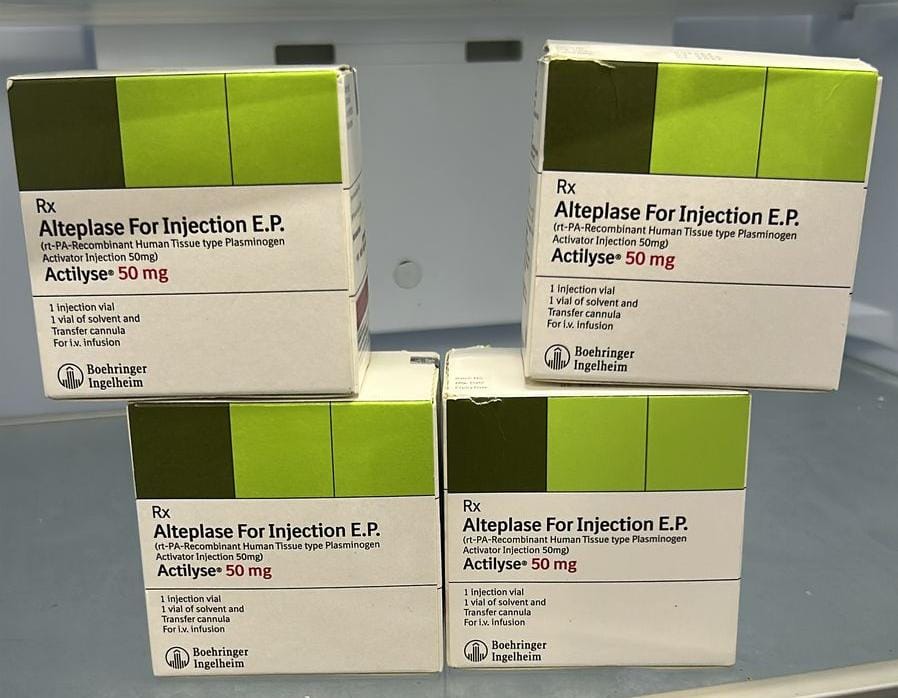
Tell us about your requirement

Price:
Quantity
Select Unit
- 50
- 100
- 200
- 250
- 500
- 1000+
Additional detail
Mobile number
Email

More Products in Antiviral Drugs Category
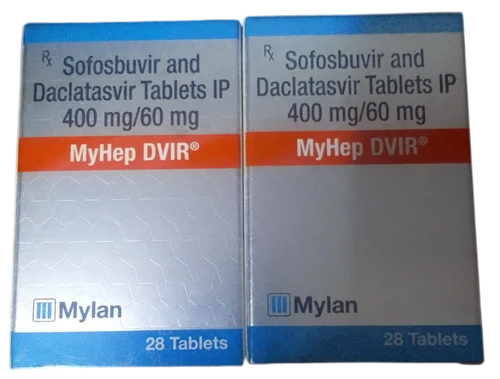
400mg Sofosbuvir And Daclatasvir Tablet
Price 5500 INR / Bottle
Minimum Order Quantity : 10 Bottles
Drug Type : General Medicines
Suitable For : Adults
Storage Instructions : Room Temperature
Quantity : 28 Pieces
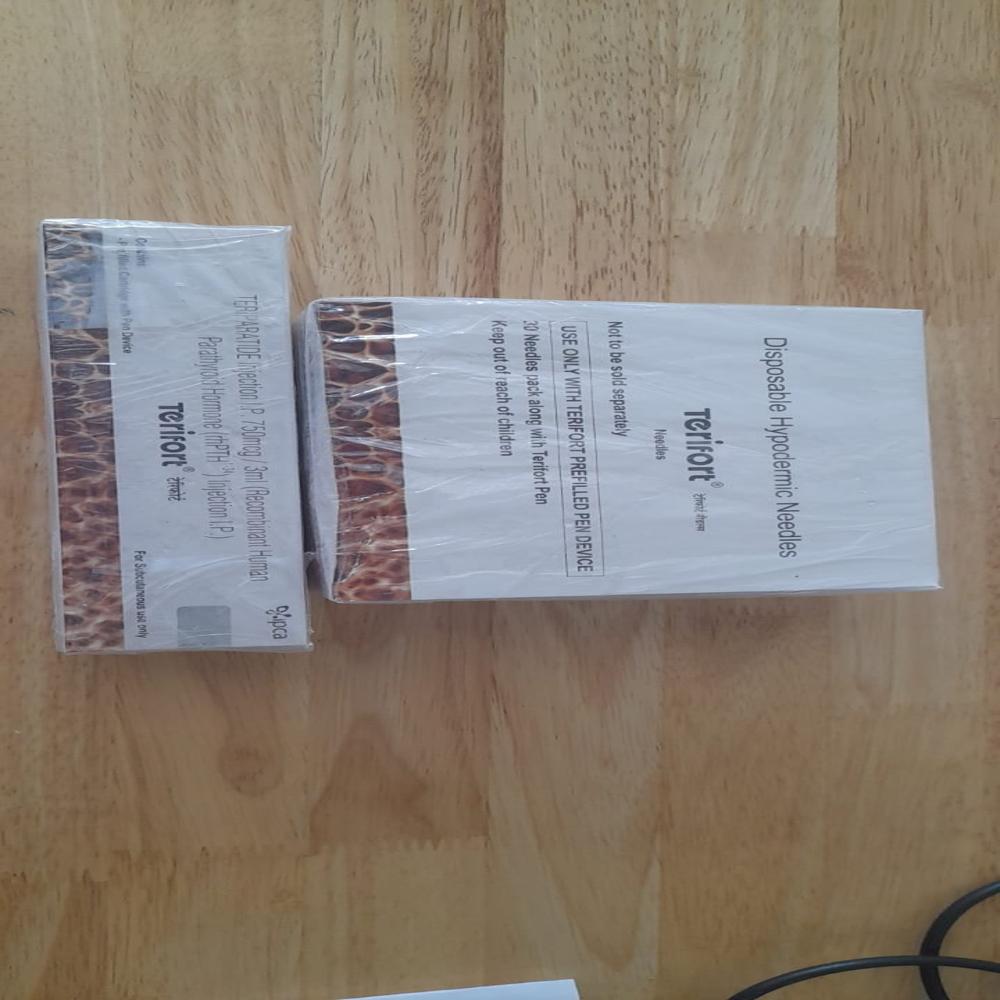
Terifort 750 Mcg Injection
Price 4500.0 INR / Piece
Minimum Order Quantity : 1 Piece
Drug Type : Injection
Suitable For : All Skin Type
Quantity : 1 Pieces
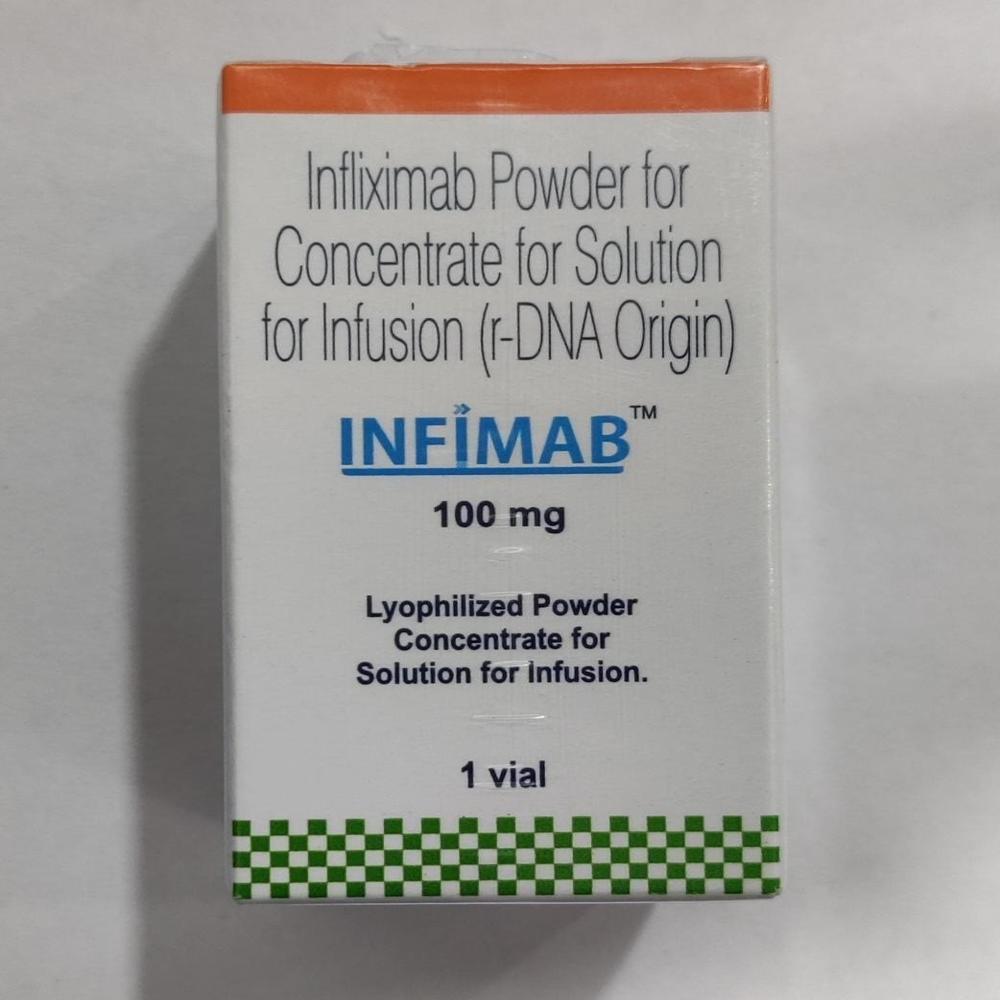
INFIMAB 100MG
Price 11200.0 INR / Piece
Minimum Order Quantity : 1 Piece
Drug Type : Injection
Quantity : 1 Pieces
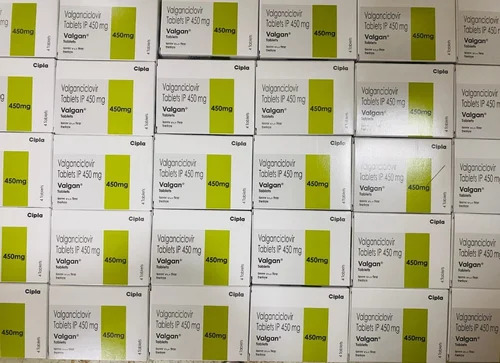
Valganciclovir Tablet Ip
Price 190 INR / Strip
Minimum Order Quantity : 10 Strips
Drug Type : General Medicines
Suitable For : Adults
Storage Instructions : Room Temperature

ONCOTRUST
GST : 27AAJFO6315K1ZY
Contact Details

- Unit No. 510, Ghatkopar Andheri Link Road,Mumbai - 400086, Maharashtra, India
- Phone :07315122721

- Mr. Amit (Co-Founder)
- Mobile :07315122721

 Send Inquiry
 Send SMS
ONCOTRUST
All Rights Reserved.(Terms of Use)
Developed and Managed by Infocom Network Private Limited.
Developed and Managed by Infocom Network Private Limited.

